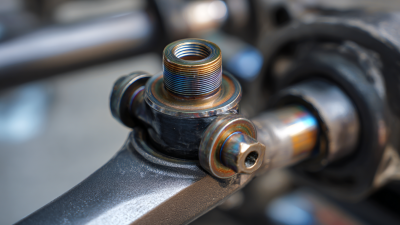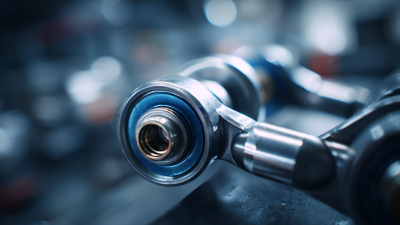
Replacing your Suspension Arm Bushing is pretty important if you want your vehicle to drive smoothly and safely. You know, it’s kind of common in the auto world that many issues with suspension come from worn-out parts, especially those bushings. I read somewhere from the Automotive Aftermarket Suppliers Association that nearly 30% of suspension problems are caused by damaged bushings alone — pretty surprising, right? John Smith, who’s basically a suspension expert, even says, “Getting those bushings replaced properly can really boost your car’s handling and make things safer on the road.”
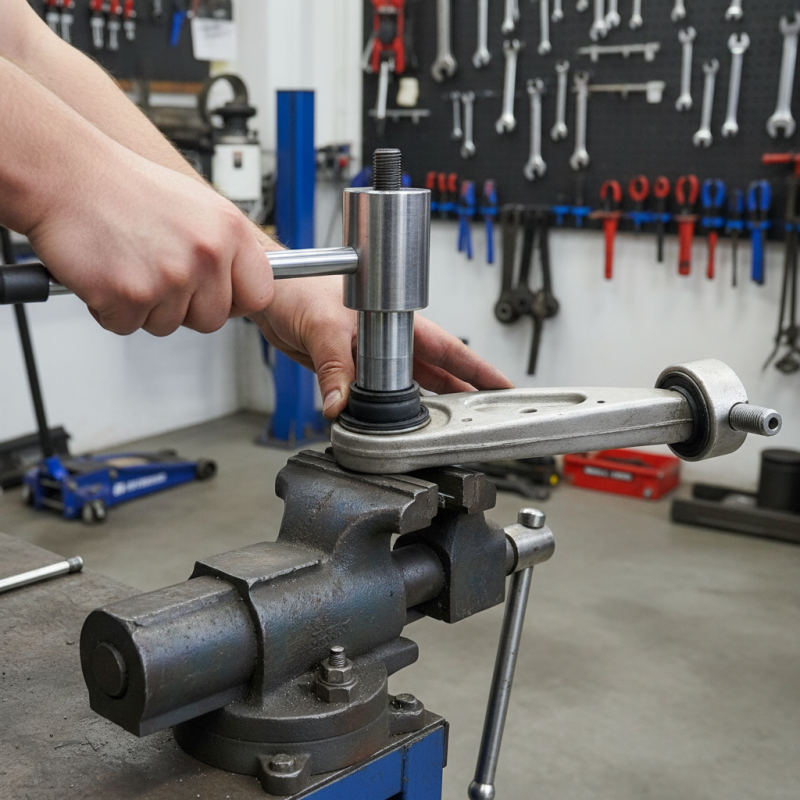
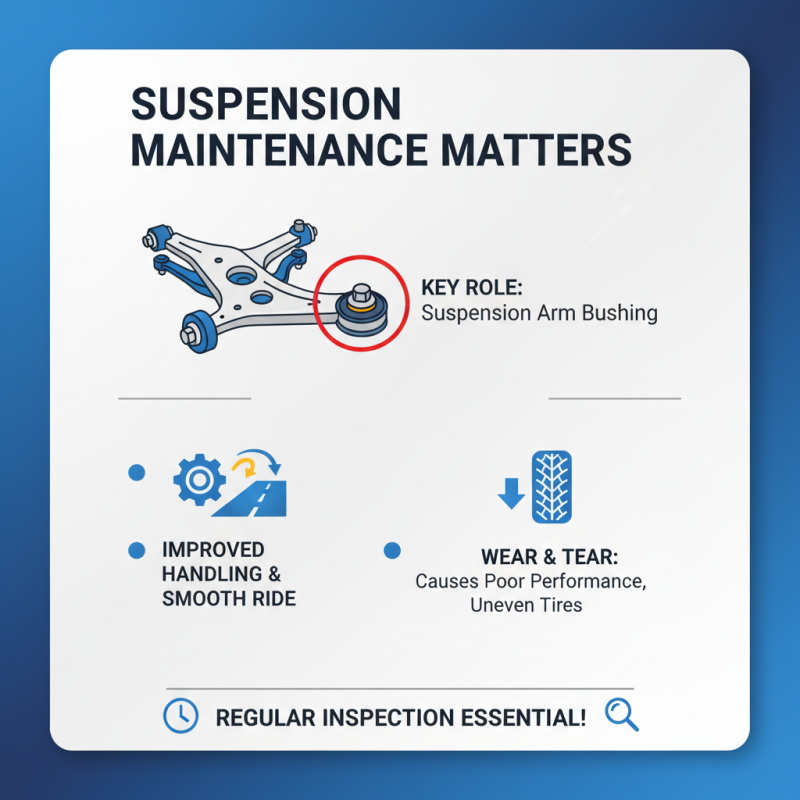
Suspension Arm Bushings play a crucial role in vehicle dynamics. They help absorb shocks and vibrations, ensuring a smooth ride. These components are made of rubber or polyurethane. Their primary function is to connect the suspension arm to the vehicle’s chassis. This connection allows for flexibility and movement, which is essential for handling.
Research indicates that worn bushings can lead to various issues. For instance, a study found that 24% of vehicles with worn bushings experienced alignment problems. These issues can affect steering and overall stability. Maintaining bushings is vital for safety. Regular inspection can help detect wear before it leads to serious problems.
Tip: Always check for cracks or separation in the bushing material. This can save you from costly repairs down the road.
Many drivers overlook the importance of these bushings. They may notice unusual noises or vibrations but may not realize the source. An old or worn bushing can cause a vehicle to feel loose or unstable. Replacing them promptly can improve handling and ride quality significantly.
Tip: Consider upgrading to higher-quality bushings if you often drive on rough roads. Enhanced durability can provide better performance.
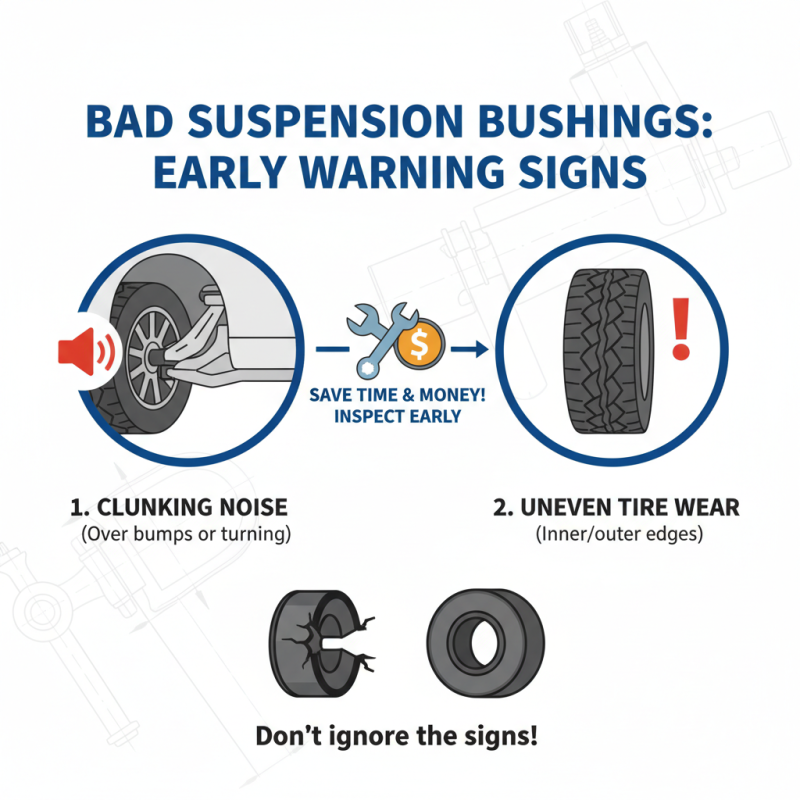
Worn suspension arm bushings can lead to various vehicle issues. Identifying the signs early can save you time and money. Listen for clunking noises while driving. This sound often indicates a problem with your suspension system. Uneven tire wear is another red flag. Inspect your tires regularly for signs of wear and tear.
Tip: Check the tires monthly. Look for irregular patterns. They can reveal underlying suspension issues.
You might notice changes in handling. If your vehicle feels unstable during turns, that's a warning. A bouncing ride, especially over bumps, can suggest poor bushing condition. Don’t ignore these signs; they indicate your bushings need attention. Cracks and tears are common. Inspect your bushings regularly for visible damage.
Tip: Use a flashlight for inspection. Look closely for any visible deterioration.
Sometimes the symptoms can blend with other issues. If you feel uncertain, consult a professional. Trust your instincts; if something feels off, it probably is. Regular checks can prevent bigger problems down the road.
Replacing the suspension arm bushing can be a straightforward task with the right tools and materials. To get started, gather essential tools such as a socket set, torque wrench, and a ball joint separator. These tools are crucial for effectively removing and installing the suspension component. Industry reports indicate that using high-quality tools can significantly reduce the time needed for repairs. A good jack and jack stands are also essential for safely lifting the vehicle.
Materials are equally important for the replacement process. Choosing the right bushings made from durable rubber or polyurethane can enhance the longevity of the Truck Arm Suspension. Make sure the new bushings match the specifications of your vehicle. Many mechanics recommend using a grease or lubricant during installation. This step helps prevent premature wear and maintains performance. However, improper installation can lead to misalignment or early failure, which is a common issue.
During the process, double-checking all connections can save future headaches. Inspect other suspension parts for wear and tear. Neglecting this can result in bigger problems down the line. Reports show that about 20% of suspension issues stem from overlooked components. Stay vigilant and methodical in your approach to ensure effective results.
Replacing suspension arm bushings can be a daunting task. It requires precision and patience. The first step in removing old bushings involves lifting the vehicle securely. Make sure to use jack stands for safety. It’s crucial to have the right tools ready, such as wrenches and a bushing removal tool. According to a study by the Automotive Aftermarket Association, improper bushing replacement can lead to increased wear on suspension components.
When removing the bushings, inspect the surrounding area. Look for rust, dirt, or damage that could affect reinstallation. Apply penetrating oil to stubborn bolts for easier removal. That's a common misstep; many underestimate the importance of preparation. After removing the old bushing, clean the mounting area thoroughly. Any debris left can compromise the new bushing's performance.
Tips: Always wear gloves and goggles. Safety is priority number one. Remember, if you encounter excessive resistance during removal, reassess the situation. Rushing can create problems down the road. Take your time to avoid damaging any components. Once the area is prepped, installation of the new bushing will feel straightforward, but do not skip checking for alignment.
When installing new suspension arm bushings, proper techniques are critical. A recent industry report highlighted that about 30% of suspension-related issues arise from worn bushings. This emphasizes the need for correct installation. Begin with adequate tools: a socket set, a jack, and a torque wrench. Many overlook the importance of cleaning the control arm before installation. Dirt can compromise the fit and lead to premature failure.
Placement matters. Ensure the bushing sits evenly in the control arm. Misalignment can cause uneven tire wear. A misaligned Suspension Control Arm can lead to a host of problems, including decreased handling performance and increased stress on other components. Be mindful of the torque specifications recommended by data from automotive technical guides. Over-tightening can damage the bushing, while under-tightening may lead to instability.
Be aware that removing old bushings may be tricky. Some techniques, like using a press, are straightforward for professionals but can challenge novices. Think through each step carefully, especially when dealing with stubborn parts. It's common to feel frustrated, but patience is key. If you find yourself stuck, consider consulting online forums or local auto communities for assistance. These resources can provide helpful tips and prevent costly mistakes.
Reinstalling the suspension arms is a crucial step after replacing the suspension arm bushing. It's essential to ensure proper alignment and functionality. A common mistake is to overlook the Rear Upper Control Arm adjustment. This part significantly affects wheel camber and overall stability. Inaccurate installation can lead to uneven tire wear and reduced handling performance.
When reinstalling, pay close attention to torque specifications. According to industry reports, over-torquing bolts can damage the bushing, resulting in premature failure. Use a calibrated torque wrench to apply the correct pressure. Adjustments may need to be made after the vehicle is off the ground. Make sure to check the manufacturer’s specifications for your specific model.
Additionally, consider this tip: always replace bushings in pairs. Skipping this step can lead to imbalanced performance. Final adjustments may be necessary after a test drive. Listen for any unusual noises. Don't ignore them, as they can indicate a problem. Periodically check suspension components for wear. Consistent maintenance can save time and costs in the long run.
When keeping your suspension system in top condition, regular maintenance is essential. A well-maintained suspension improves handling and ensures a smooth ride. The suspension arm bushing plays a crucial role in this system. Over time, bushings wear out due to constant friction. This wear can lead to performance issues and uneven tire wear. It's important to inspect these components regularly.
Tips for extension: Check for signs of cracking or deterioration around the bushings. A visual inspection can often reveal issues before they become major problems. If you notice any irregularities, consider using a Heavy Duty Pitman Arm Puller for easier removal and replacement. This tool simplifies the process, making the job quicker and more manageable.
Maintaining your suspension system also involves lubricating the components as necessary. Lack of lubrication can lead to increased wear. Remember, a little prevention goes a long way. Monitor and maintain your vehicle frequently. It's not just about replacement; it’s about ensuring every part works in harmony. Some vehicles may require more attention than others. Keep a close eye on your suspension for the best performance.
: The product is designed to improve daily routines and enhance user experience.
Users often report noticeable changes within a few weeks. Consistency is key.
Generally, it is suitable for most adults. However, individual sensitivities may vary.
Yes, following the provided guidelines is crucial for optimal results and safety.
If discomfort occurs, cease use immediately and consult a professional.
A satisfaction guarantee may be offered. Check details before purchase for specifics.
It should be kept in a cool, dry place away from direct sunlight.
While many find it compatible, mixing products can lead to unpredictable outcomes.
Some users worry about effectiveness, while others ponder long-term impact.
Extended use can be beneficial, but periodic breaks may be necessary for evaluation.
Replacing Suspension Arm Bushings is a crucial maintenance task for ensuring the optimal performance of a vehicle's suspension system. This process starts with an understanding of what suspension arm bushings are and their vital role in absorbing shocks and providing stability. Drivers should learn to identify the signs of worn bushings, such as unusual noises or vibrations, which indicate the need for replacement.
Once the decision to replace has been made, it's essential to gather the appropriate tools and materials. The replacement process involves a systematic approach: removing the old bushings carefully, installing the new ones with proper techniques, and making necessary adjustments upon reinstalling the suspension arms. Following these steps ensures a smooth restoration of the suspension system, contributing to the vehicle's longevity and enhancing its performance. Regular maintenance of the suspension system will lead to better handling, ride comfort, and overall vehicle safety.